IN THE CONVERSATION
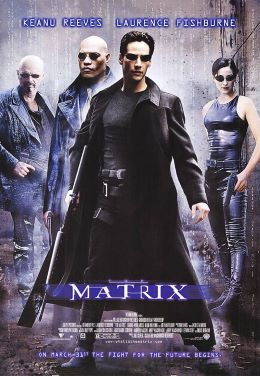
The Matrix
1999 · 136 min · Action / Science Fiction
A programmer discovers that his everyday world conceals a machine-controlled reality and an underground resistance.
RELEASE DATEMar 31, 1999
A FIRST LOOK
The trailer.
A trailer is not available here yet.
THE CLUB REVIEW
Ideas you can see in motion
The Matrix turns an abstract suspicion about reality into a readable action language. Office corridors feel constricting before Neo understands why, while training spaces give philosophical claims immediate physical tests. Bodies, obstacles, and consequences remain legible even when the rules bend. Some exposition is heavy, but each new rule becomes useful later. Its lasting pleasure is the connection between thought and movement: learning to question the world changes how a person can move through it.
AFTER THE CREDITS


The training scenes are exposition, but they stay connected to the action.
Trinity’s opening escape tells you the film’s physical language before the explanations begin. It is an excellent promise of the kind of movie ahead.
Cypher’s steak conversation bothers me more each time. How much truth would someone willingly exchange for a comfortable life they could believe in?
The sunglasses and coats occasionally push the coolness too hard for me. Hugo Weaving’s deliberately awkward delivery provides a welcome counterweight.
The action establishes where everyone is standing so clearly.
The difference between the cramped ship and the polished simulated spaces makes comfort suspicious. The uglier place is also where people can speak honestly.
The Oracle’s kitchen is a lovely change of scale. Huge questions arrive among cookies and ordinary furniture, which makes the conversation feel more unsettling.
The office escape is a great introduction to Neo’s fear.